
🌬️ Introduction: Why Breath is the Key to Life
In yoga, the breath is not just a physical act of inhaling and exhaling. It is the bridge between body, mind, and spirit. The ancient yogis discovered that by controlling the breath, one can control the mind, emotions, and even inner energy. This practice is known as Pranayama—the science of breath control.
🔑 What is Pranayama?
The word Pranayama comes from Sanskrit:
Prana = vital life force
Ayama = control or expansion
So, Pranayama means expanding and regulating life energy through breath. It is the fourth limb of Ashtanga Yoga described by Patanjali in Yoga Sutras.
🌟 Benefits of Pranayama (Science + Spirituality Combined)
Practicing Pranayama regularly can bring both physical and mental wellness.
🫁 Improves Lung Capacity – increases oxygen intake.
🧠 Calms the Mind – reduces anxiety and stress.
💓 Balances Blood Pressure – by improving circulation.
⚡ Boosts Energy – awakens dormant energy (Prana Shakti).
🌙 Better Sleep – ideal for insomnia and restlessness.
🧘 Deepens Meditation – prepares the mind for Dharana and Dhyana.
🪷 Types of Pranayama (Beginner-Friendly)
Here are some pranayama practices that beginners can start with:
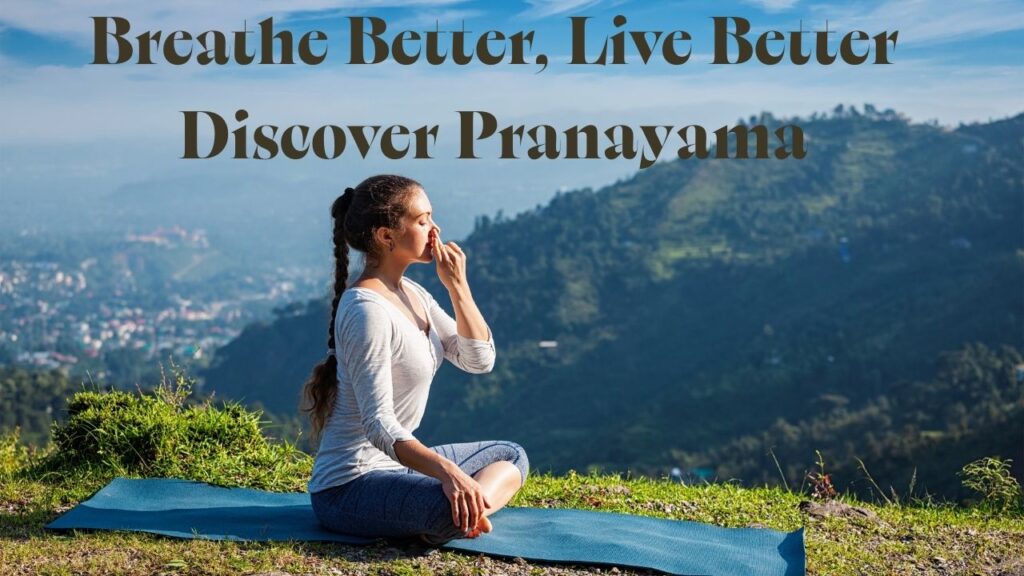
1. Anulom Vilom (Alternate Nostril Breathing)
Balances Ida and Pingala Nadis (left and right energy channels). Best for calming the mind.
2. Kapalabhati (Cleansing Breath)
Quick exhalations through the nose help detoxify lungs and abdominal organs.
3. Bhramari (Bee Breath)
Produces a humming sound like a bee—excellent for stress relief and focus.
4. Sheetali & Sheetkari
Cooling pranayamas that lower body heat and calm anger.
5. Ujjayi (Victorious Breath)
Creates a soft sound in the throat, increasing oxygen and inner awareness.
🕰️ Best Time to Practice Pranayama
Morning before sunrise (Brahma Muhurta) is ideal.
Stomach should be empty (at least 2–3 hours after a meal).
Find a quiet place with fresh air.
⚠️ Precautions for Beginners
Always start slowly (5–10 minutes).
Do not practice forceful pranayama if you have heart or lung conditions without consulting a doctor.
Pregnant women should avoid strong practices like Kapalabhati and Bhastrika.
🙋 FAQs on Pranayama
Q1: How many minutes should I do pranayama daily?
👉 Beginners can start with 10–15 minutes, gradually increasing to 30 minutes.
Q2: Can pranayama cure stress and anxiety?
👉 Yes. Practices like Anulom Vilom and Bhramari are especially effective for calming the mind.
Q3: Which pranayama is best for beginners?
👉 Start with Anulom Vilom and Bhramari before moving to advanced techniques.
Q4: What is the difference between yoga and pranayama?
👉 Yoga is a complete lifestyle; pranayama is one important part of it, focusing on breath.
🌺 Conclusion: Breathe Your Way to Wellness
Pranayama is not just about breathing—it is about living consciously. With regular practice, it can heal the body, balance the mind, and awaken higher awareness. Whether you are a beginner or an advanced yogi, pranayama can transform your inner world.
So, take a deep breath right now… and step into the power of Prana. 🌬️✨